The best-controlled randomized trials find intermittent fasting works about as well as ordinary calorie restriction for weight and cardiometabolic markers — with no clear advantage over cutting calories the conventional way, and no evidence it protects against disease.
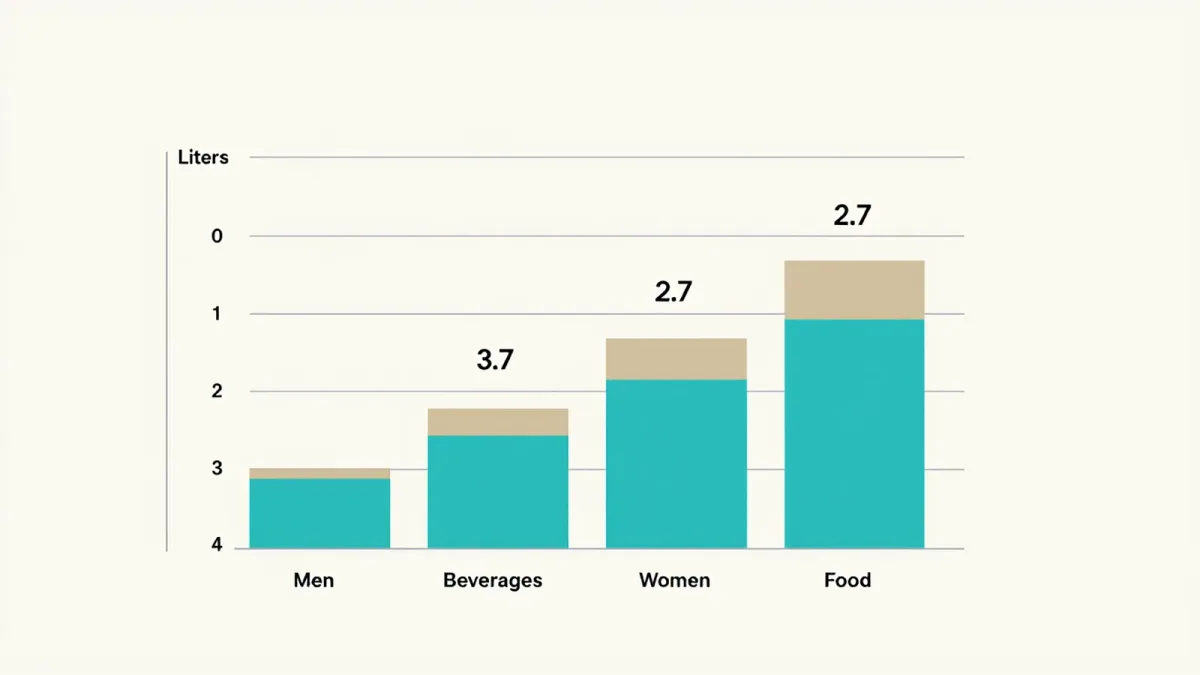
The National Academies set adequate total water intake at 3.7 liters a day for men and 2.7 liters for women — from all drinks and food combined — and the evidence for the popular eight-glasses rule has never existed.
The US Preventive Services Task Force concluded in 2021 that current evidence is insufficient to assess vitamin D supplementation, with or without calcium, for preventing fractures or falls in community-dwelling adults without symptoms, deficiency, or known disease.
The PREDIMED trial, a Spanish randomized study of nearly 7,500 adults at cardiovascular risk, found about a 30 percent reduction in major cardiovascular events among those assigned a Mediterranean diet supplemented with olive oil or nuts.
A 2019 NIH controlled trial found people ate about 500 more calories a day on an ultra-processed diet, and a 2024 BMJ umbrella review linked high intake with higher risks of cardiovascular disease, diabetes, and death.
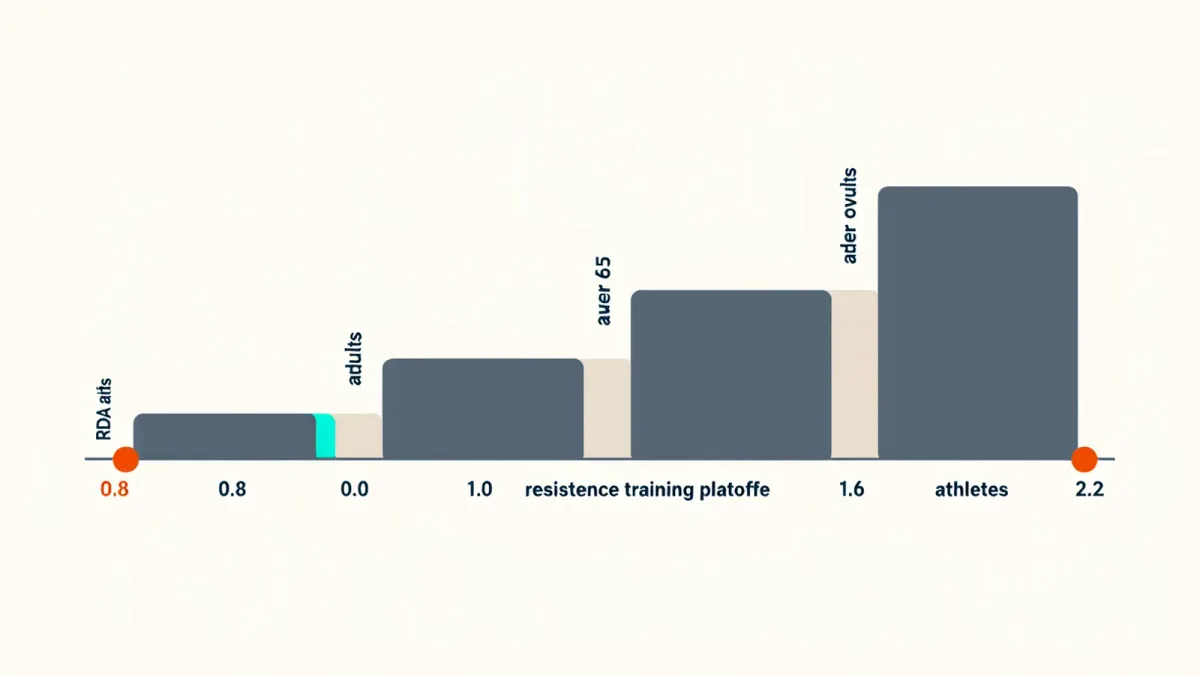
The federal RDA is 0.8 grams of protein per kilogram of body weight daily, while randomized-trial research on resistance training finds muscle-gain benefits up to roughly 1.6 grams per kilogram before the effect plateaus.