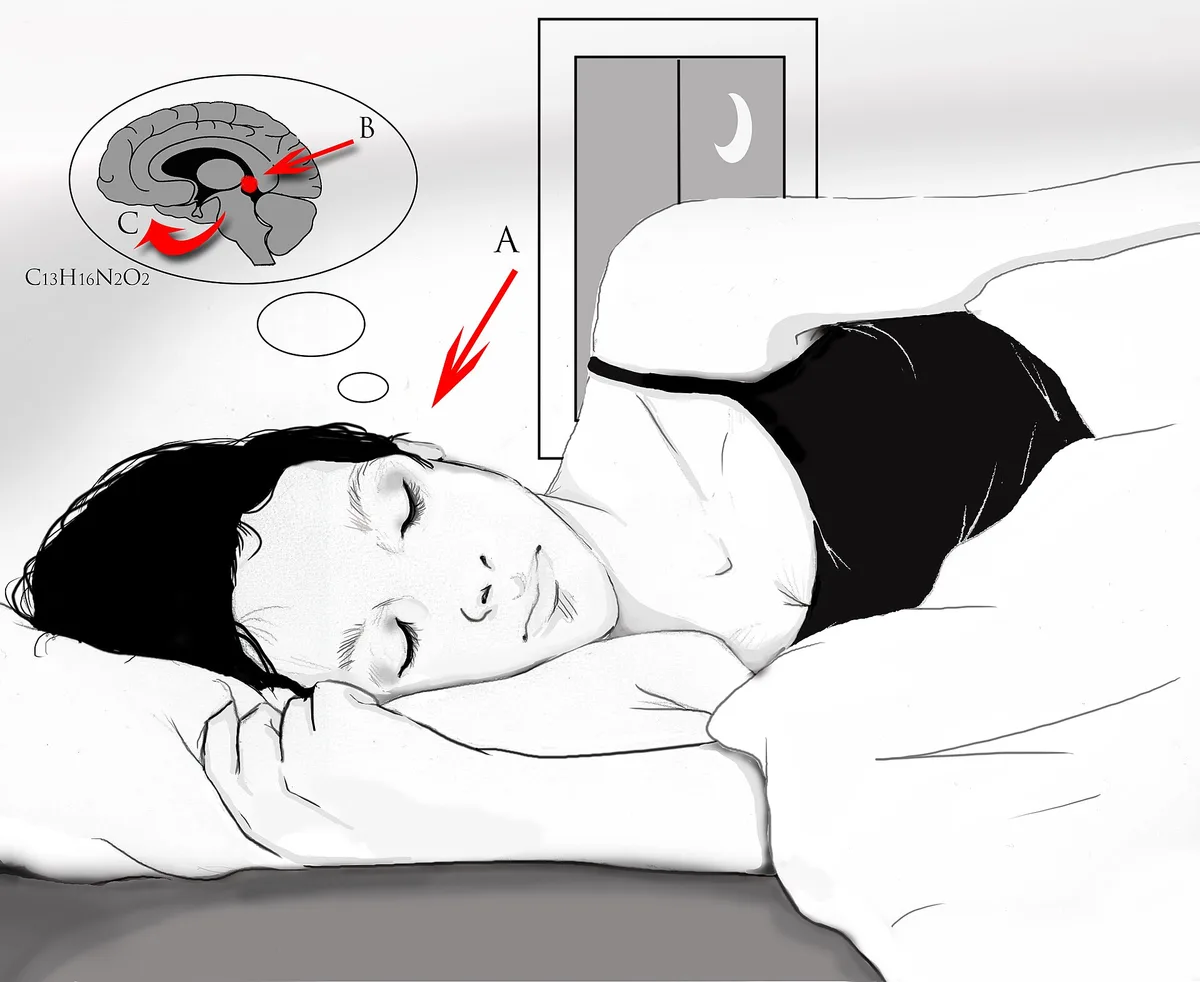
Melatonin Supplements: What the Evidence Says About Dose, Timing, and Safety
Melatonin is a hormone your brain makes in the dark. Here is what NIH-backed evidence says about melatonin supplements, timing, and safety.
Wellbeing addresses the health of people delivering care: burnout, moral injury, sleep across rotating shifts, and access to mental health support. Guidance is practical and specific to irregular hours, and coverage sets out what employee assistance programs and state provisions actually pay for before anyone urgently needs them.
Wellbeing coverage from Health Work NY.
Melatonin is a hormone your brain makes in the dark. Here is what NIH-backed evidence says about melatonin supplements, timing, and safety.

Behavioral science favors tiny, repeatable practices over big overhauls. Here is how to pick one that fits a real workday.
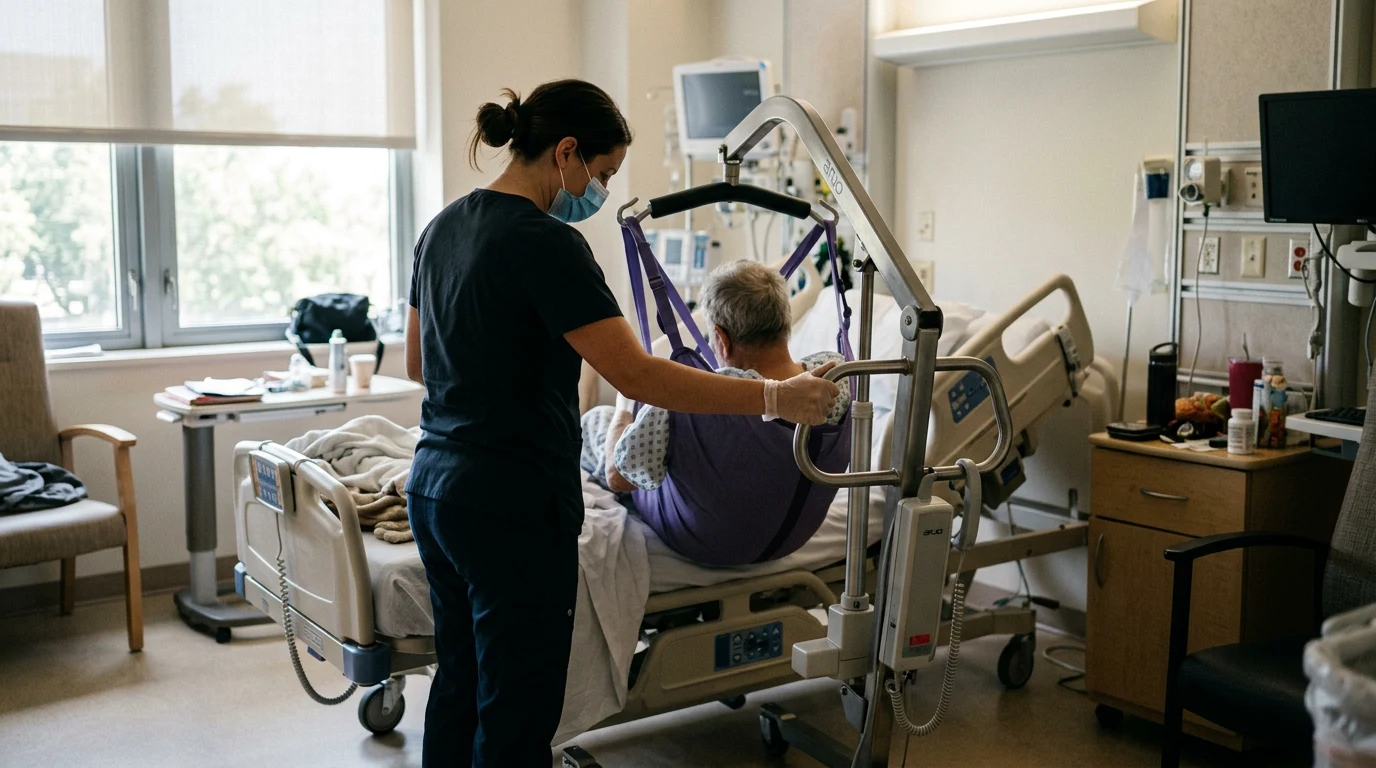
Manual patient lifting drives most musculoskeletal injuries in health care. Federal safety agencies say mechanical lift programs, not better lifting technique, are what actually reduce the risk.
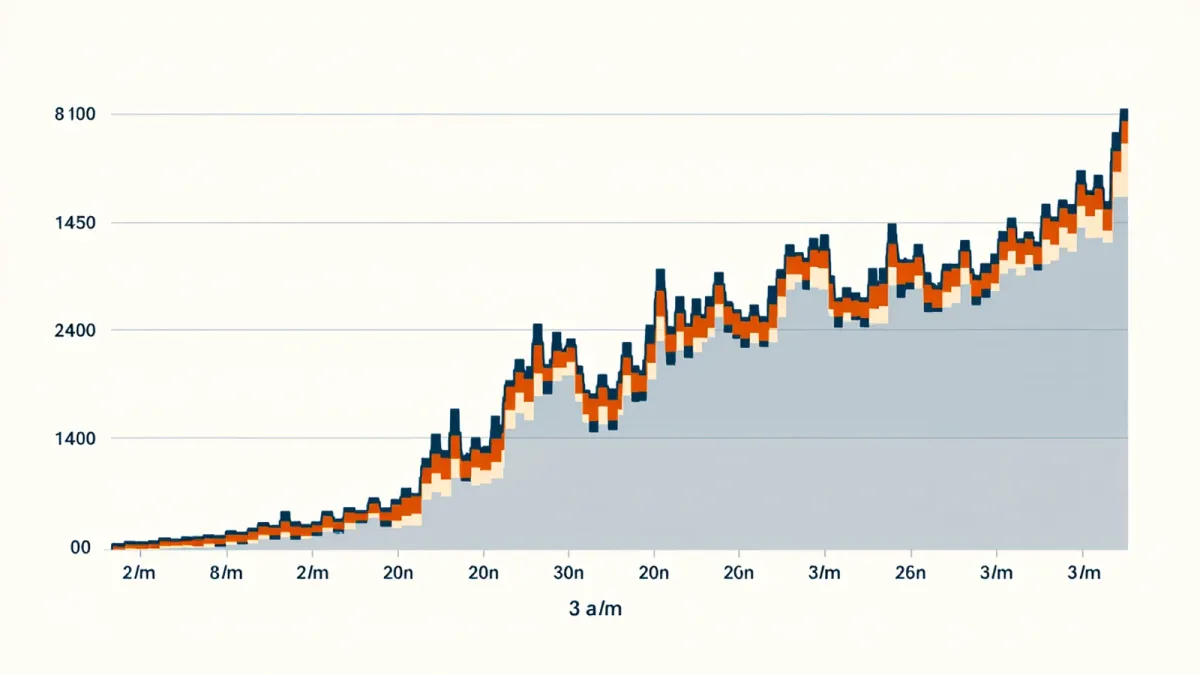
Eating at night, when the body's glucose handling is at its circadian worst, raises post-meal glucose in controlled studies — and a 2021 simulated-shift trial in Cell Metabolism found daytime eating blunted glucose effects compared with nighttime meals.

Controlled studies support two nap windows for night workers — a prophylactic nap before the shift and a short in-shift nap around 20 to 30 minutes — with longer in-shift naps improving outcomes but risking sleep inertia on waking.

The ICD-11 defines burnout as an occupational phenomenon tied to workplace stress — exhaustion, cynicism, reduced efficacy — while depression permeates all life domains, and published studies show the two overlap enough that instruments misclassify a substantial share.