Melatonin pills fill whole shelves at most drugstores. Many health care workers reach for them after night shifts or long flights. The bottles promise deep sleep. The science is more careful. Here is what major health agencies say about melatonin, dose, timing, and safety.
Melatonin is not a strong sleeping pill. It is a hormone your own brain already makes. Knowing how it works helps you decide if a supplement makes sense for you.
What Melatonin Does in Your Body
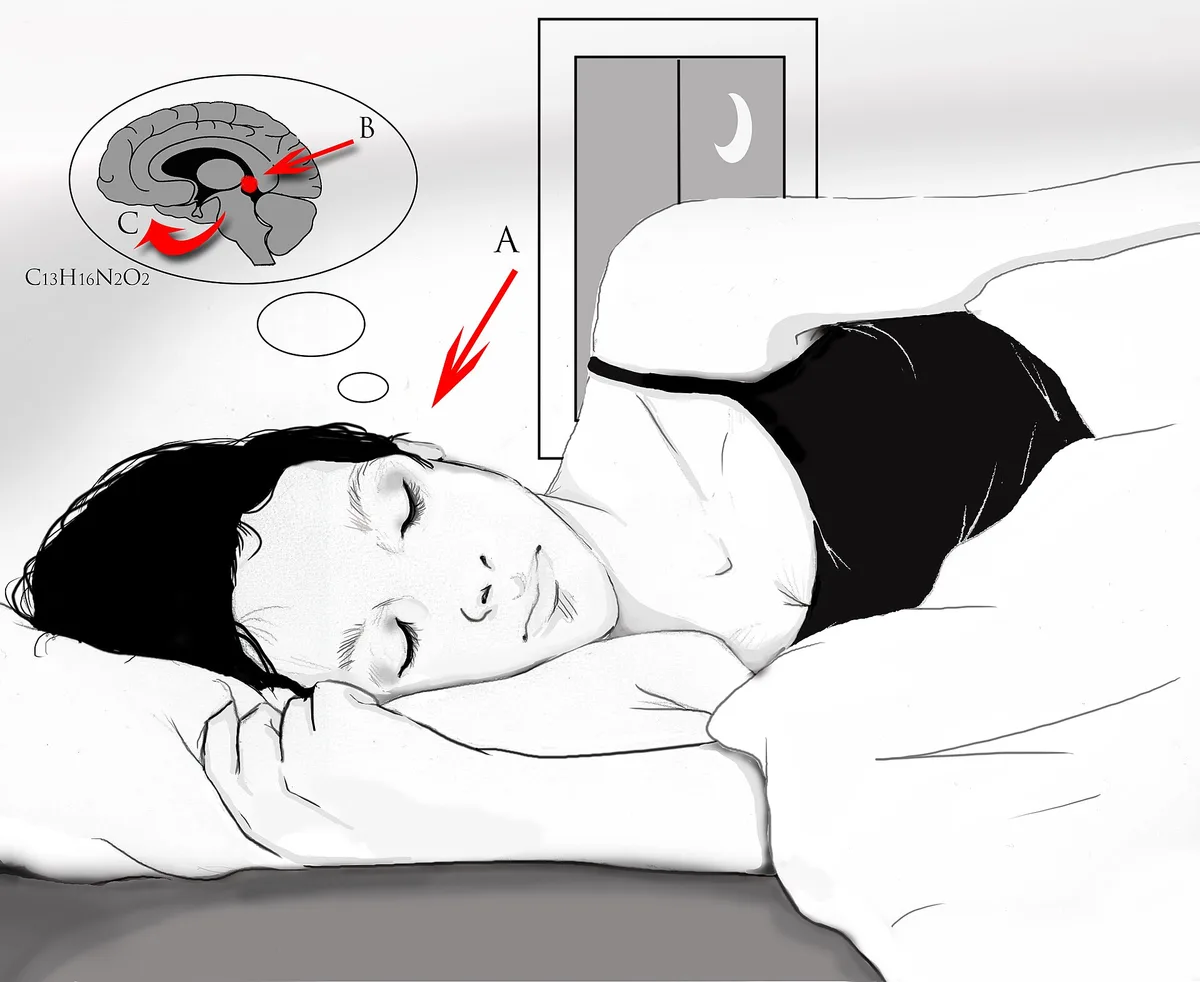
Melatonin is a hormone your brain makes in response to darkness, according to the National Center for Complementary and Integrative Health. It helps set your body clock, which runs on a 24-hour cycle. It also helps with sleep. The agency notes that light at night can block melatonin production. That is one reason bright screens late at night can hurt sleep.
The compound has a long research history. As described in Wikipedia's melatonin overview, a team led by Aaron B. Lerner isolated it in 1958 from the pineal glands of cows. It was later named a hormone the brain releases at night to set the sleep-wake cycle. Most modern supplements are made in labs rather than taken from animals.
What the Evidence Shows
The evidence is strongest for a few sleep problems. According to the NCCIH, melatonin may help with jet lag, a delayed body clock disorder, some sleep problems in children, and anxiety before surgery. The proof differs for each one.
Start with jet lag. Reviews from 2010 and 2014 form the base of that evidence, per the NCCIH. Four studies tracked 142 travelers. Melatonin may beat a placebo for jet lag after eastward flights. Two studies with 90 travelers showed similar promise for westward trips.
The delayed body clock disorder is another target. People with it fall asleep very late and struggle to wake up. In a 2018 trial of 307 people, participants took melatonin one hour before a set bedtime. The NCCIH reports they fell asleep about 34 minutes sooner and had better daytime function.
Other uses rest on weaker ground. Guidelines from two major sleep groups looked at chronic insomnia. They found no strong proof for melatonin, per the NCCIH. Those groups back talk therapy methods, mainly cognitive behavioral therapy, as the first step. Reviews on shift workers were small or unclear. We covered a connected angle in Naps for night shift workers: what the science says about timing and length.
Dose and Timing in the Research
There is no single agreed dose of melatonin. The studies above used different amounts for different problems. Timing was a clear theme, though. In that 2018 trial, the routine was one dose an hour before the desired bedtime, plus a fixed bedtime.
Because doses vary so much, agency advice stays practical. The NCCIH tells users to read the label and follow it. It also says to talk with a health care provider about any supplement. That matters even more if you take other medicines.
Safety and Side Effects
Short-term use appears to be safe for most people, according to the NCCIH. Still, the agency warns that data on long-term safety is lacking. A safety review it cites found only mild side effects in short-term studies of adults.
Some groups need extra care. People with epilepsy and people on blood thinners need medical oversight when using melatonin, per the NCCIH. There may also be a risk of allergic reactions. Those who are pregnant or nursing should see a provider before taking any supplement.
One more point on rules. The NCCIH notes that the FDA does regulate dietary supplements. The rules are less strict than those for prescription drugs. Children deserve special caution too. Much is still unknown about melatonin for children. Parents should work with a provider first.
Conclusion
Melatonin is a real hormone with real research behind it. It is not a fix for every sleep problem. The case is strongest for jet lag, a delayed body clock, some children's sleep issues, and anxiety before surgery. It is weaker for general insomnia and shift work. Timing seems to matter, and long-term safety is still unclear. For hospital staff on rotating shifts, steady sleep habits come first. Any supplement should be a considered extra step. For related coverage, see Meal timing for night shift workers: what metabolic research shows.
This article is for general education only. It is not medical advice and does not replace care from a health professional. Always talk with your own provider before starting, stopping, or changing any supplement.