
Topic
Following health policy: the public records that shape care
Health policy explained starts with public records: bills at Congress.gov, rules in the Federal Register, and Marketplace dates at HealthCare.gov, with November 1 next up.
Health policy explained starts with public records: bills at Congress.gov, rules in the Federal Register, and Marketplace dates at HealthCare.gov, with November 1 next up.

A legislative panel endorsed loan-repayment programs for doctors and nurses in underserved areas. Here is what the bills would do, and what the numbers behind them show.

The FDA's patient materials lay out the pipeline: Phase 1 tests 20 to 100 volunteers, Phase 3 runs 300 to 3,000, and the review team has 6 to 10 months to decide on approval.

Chiropractic care shows short-term benefit for some back pain and a thin record beyond it. Here is what the evidence, safety data, and licensing rules actually say.

Observational research and randomized trials answer different questions, and news headlines rarely say which one is behind the finding.

Federal law guarantees hospital workers a hazard-free workplace, training in a language they understand, employer-paid protective equipment and protection from retaliation, per OSHA's documented worker rights.
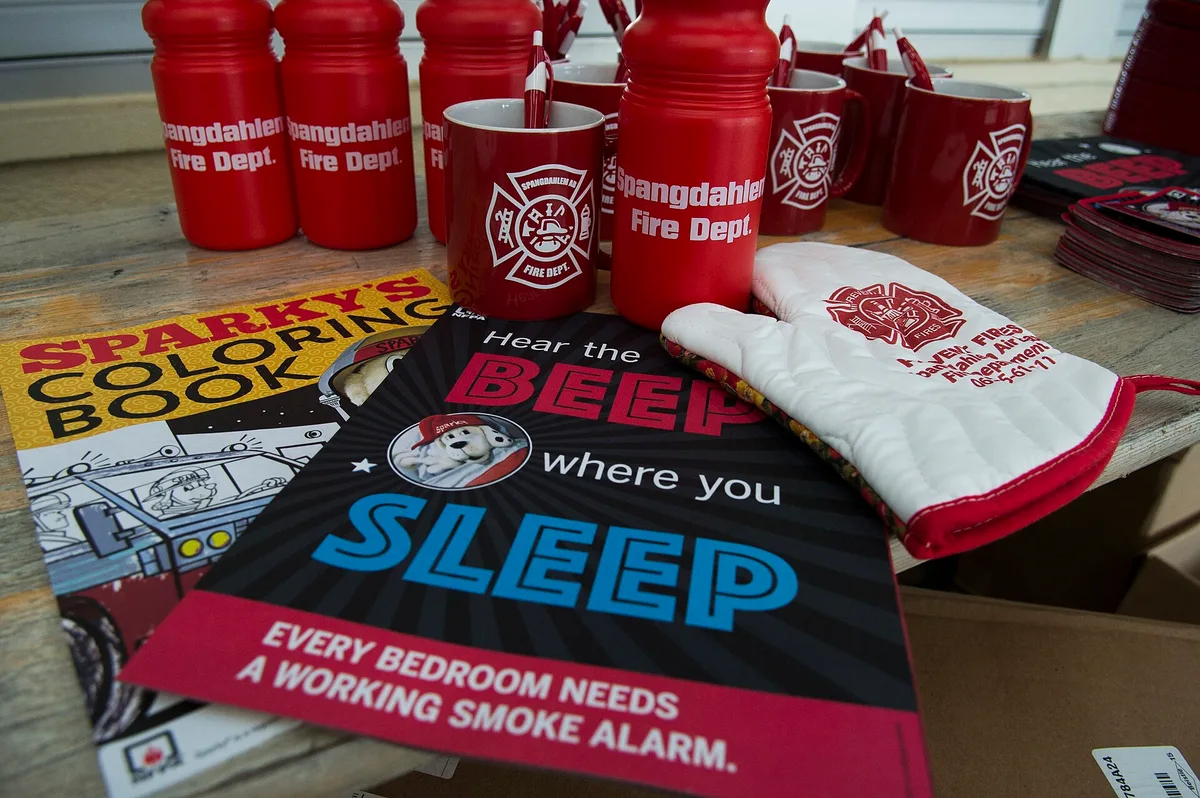
Falls are not a single problem with a single fix. They are a house full of small, fixable hazards — and a walkthrough finds most of them in an afternoon.
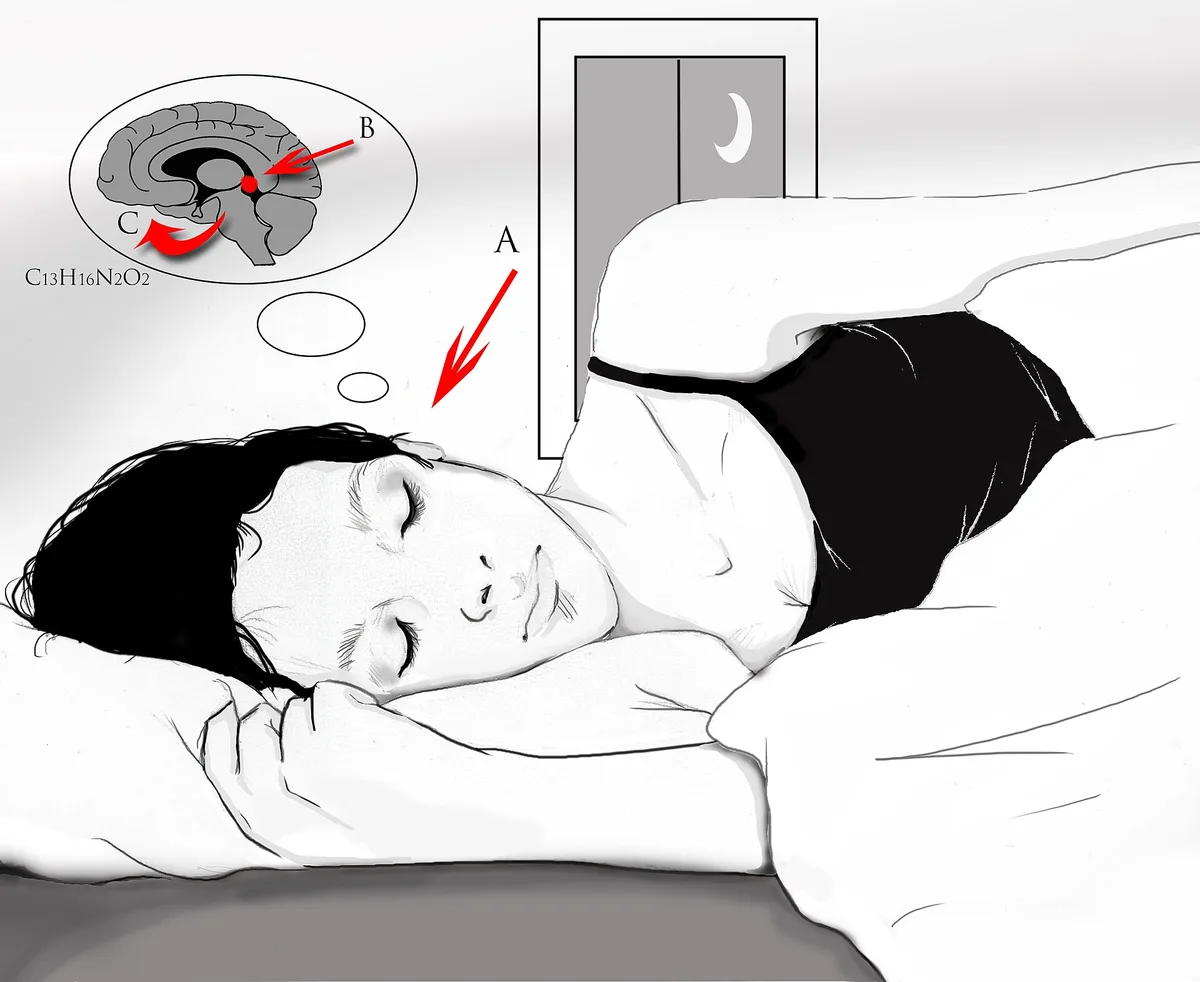
Melatonin is a hormone your brain makes in the dark. Here is what NIH-backed evidence says about melatonin supplements, timing, and safety.

A lipid panel measures LDL, HDL, triglycerides, and total cholesterol. What the four values mean and how often adults usually screen.

Primary, secondary, and tertiary prevention sound like jargon. They are really three everyday decisions about staying well, catching problems early, and limiting damage.