
Nutritionist vs dietician: what the difference means when you book an appointment
One title is a licensed credential with a national exam behind it. The other can mean almost anything. Here is how to tell them apart before you pay for a session.
Nutrition coverage from Health Work NY.
One title is a licensed credential with a national exam behind it. The other can mean almost anything. Here is how to tell them apart before you pay for a session.

The eight-glasses rule is a rough guess. Body size, sweat, climate and food set the real target.
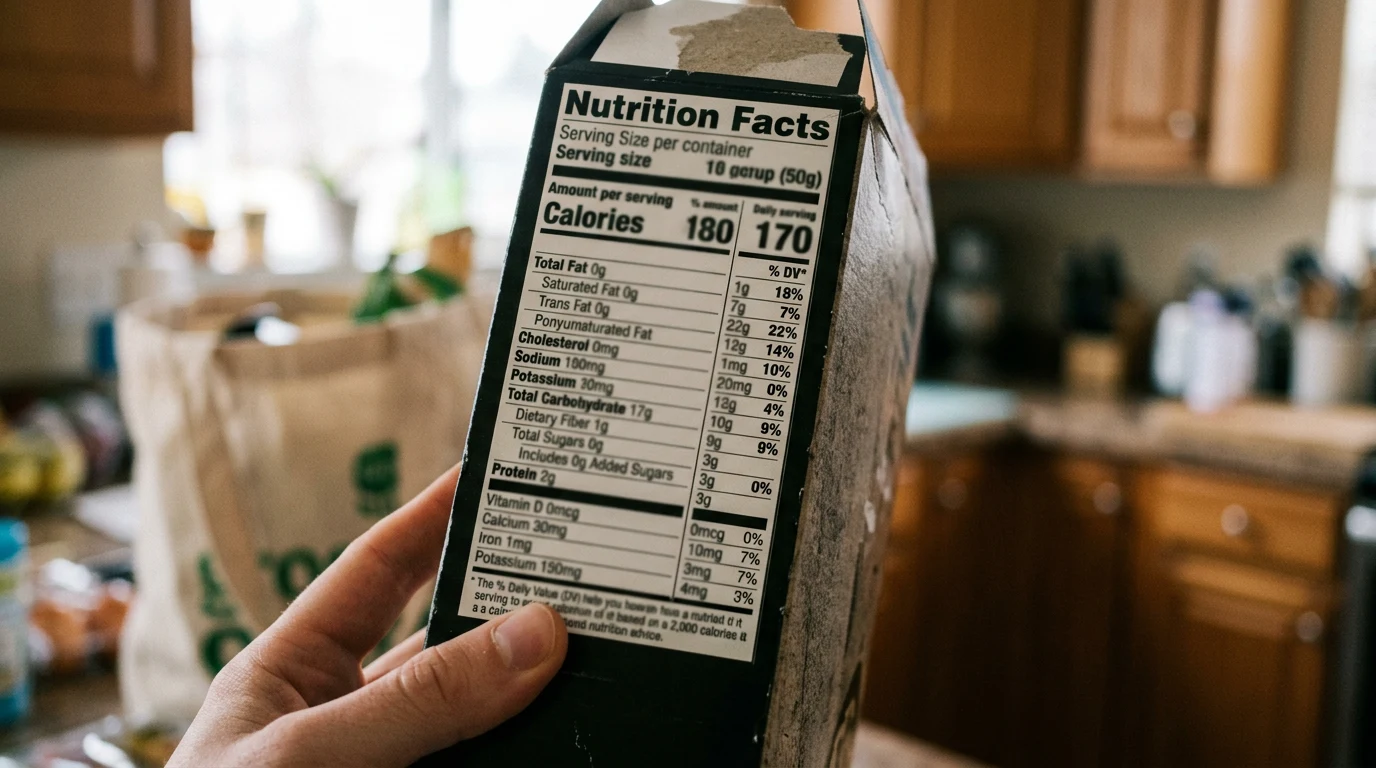
The percent Daily Value on every food label runs on one FDA formula and one rule of thumb — here's how the math works, and where added sugars fit into it.
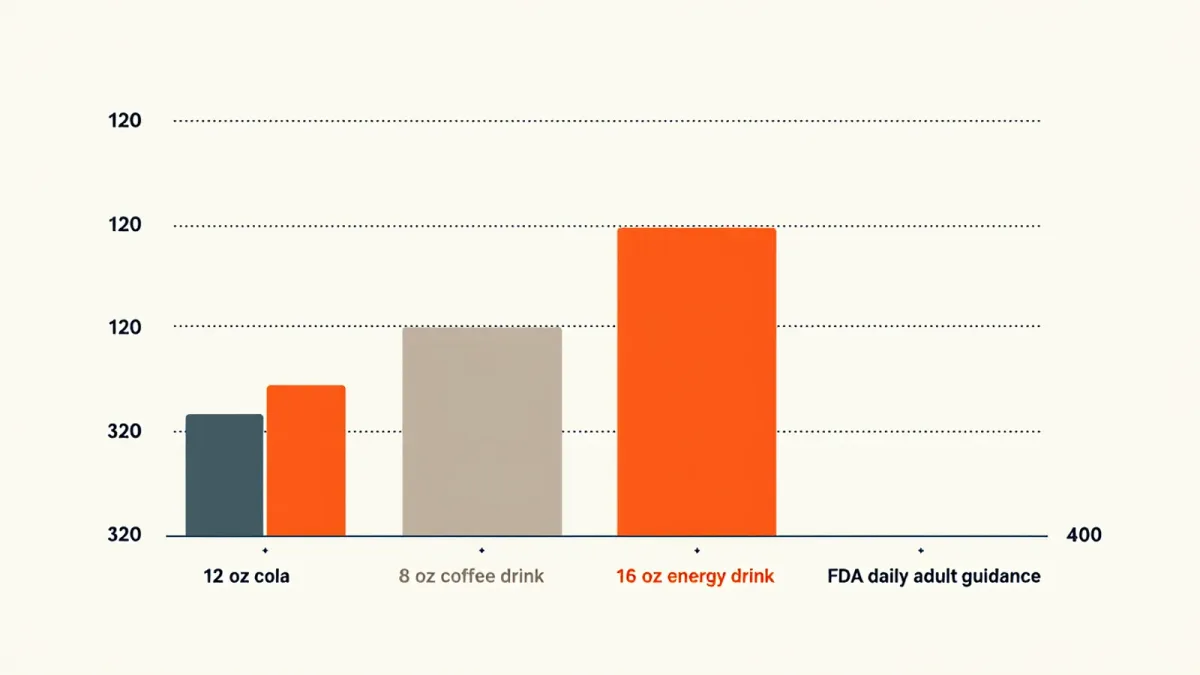
The FDA caps caffeine in sodas at 0.02 percent — about 71 milligrams per 12 ounces — but sets no specific limit for energy drinks, whose caffeine runs 80 to 300 milligrams per can, leaving the practical ceiling at the agency's 400-milligram daily adult guidance.

With one exception, federal law requires no date labels on food: sell-by dates guide store stocking, best-if-used-by dates mark quality, and only infant-formula dates carry a federal safety mandate — confusion over the labels feeds an estimated 30 to 40 percent food waste.

Federal guidance caps sodium at 2,300 milligrams a day, the American Heart Association sets 1,500 as the ideal for most adults, and about 70 percent of the sodium Americans eat comes from packaged and restaurant food — not the salt shaker.