Wellbeing addresses the health of people delivering care: burnout, moral injury, sleep across rotating shifts, and access to mental health support. Guidance is practical and specific to irregular hours, and coverage sets out what employee assistance programs and state provisions actually pay for before anyone urgently needs them.
The FDA cites 400 milligrams a day — about four to five eight-ounce cups of coffee — as an amount not generally associated with negative effects in healthy adults, with separate caution for pregnancy and adolescents.
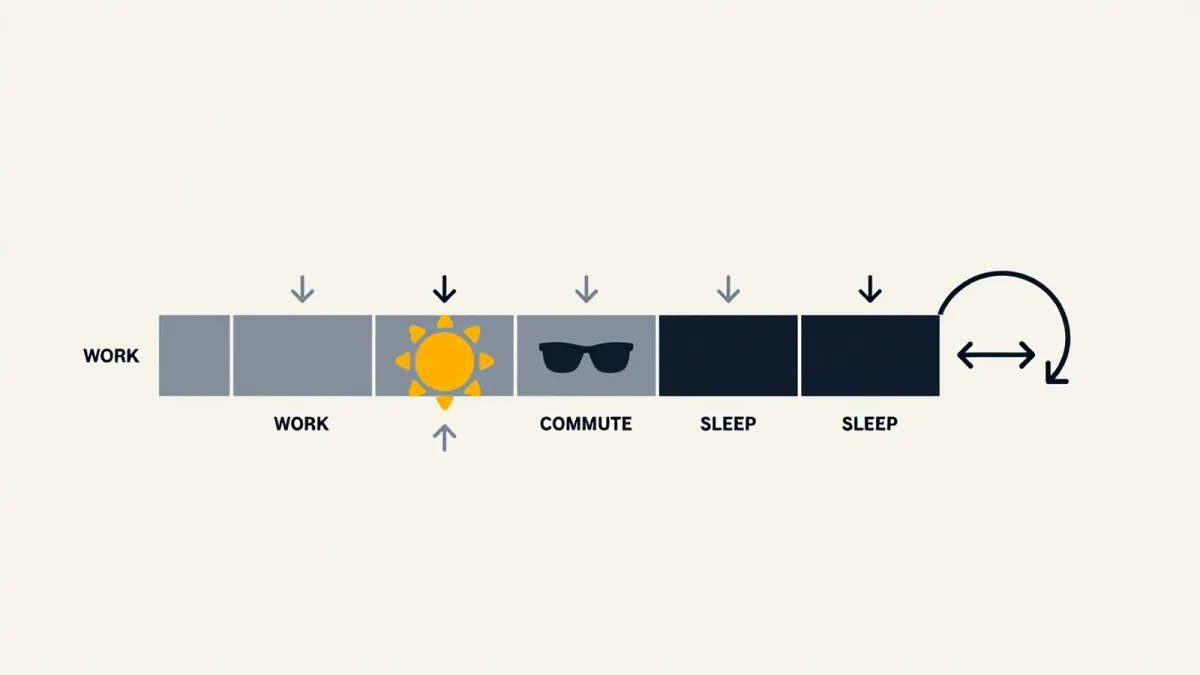
Bright light at night can push alertness up and the body clock toward a night schedule, while morning light on the commute home does the opposite — NIOSH training materials treat light as the shift worker's strongest lever.
Sleeping hours apart on weekends versus weekdays shifts the body clock the way travel does — a mismatch Till Roenneberg named social jetlag in 2006 and later linked to higher obesity risk.
A 2022 meta-analysis in PLOS One found microbreaks reliably cut fatigue and slightly lift vigor, with effects depending heavily on what kind of work the break interrupts.
Sit-stand desks reliably cut sitting time at work — roughly 30 to 100 minutes a day in controlled trials — but hard evidence that they prevent disease remains thin.
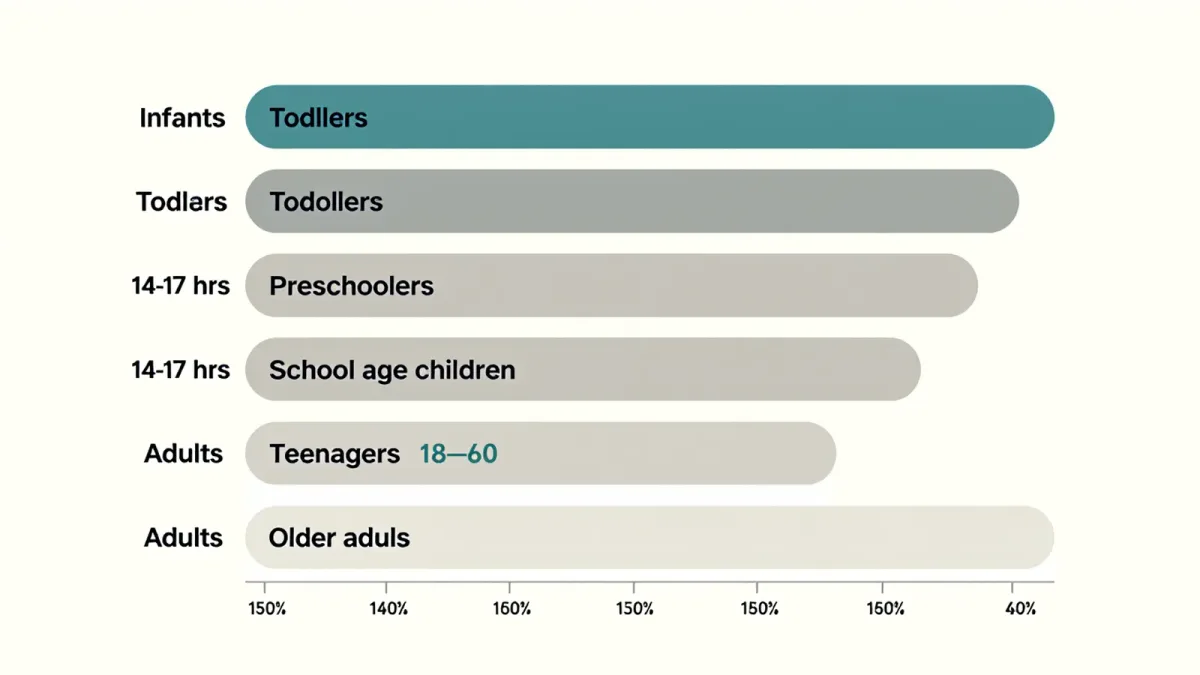
The CDC recommends at least seven hours per night for adults aged 18 to 60, a figure drawn from a 2015 consensus of the American Academy of Sleep Medicine and the Sleep Research Society.