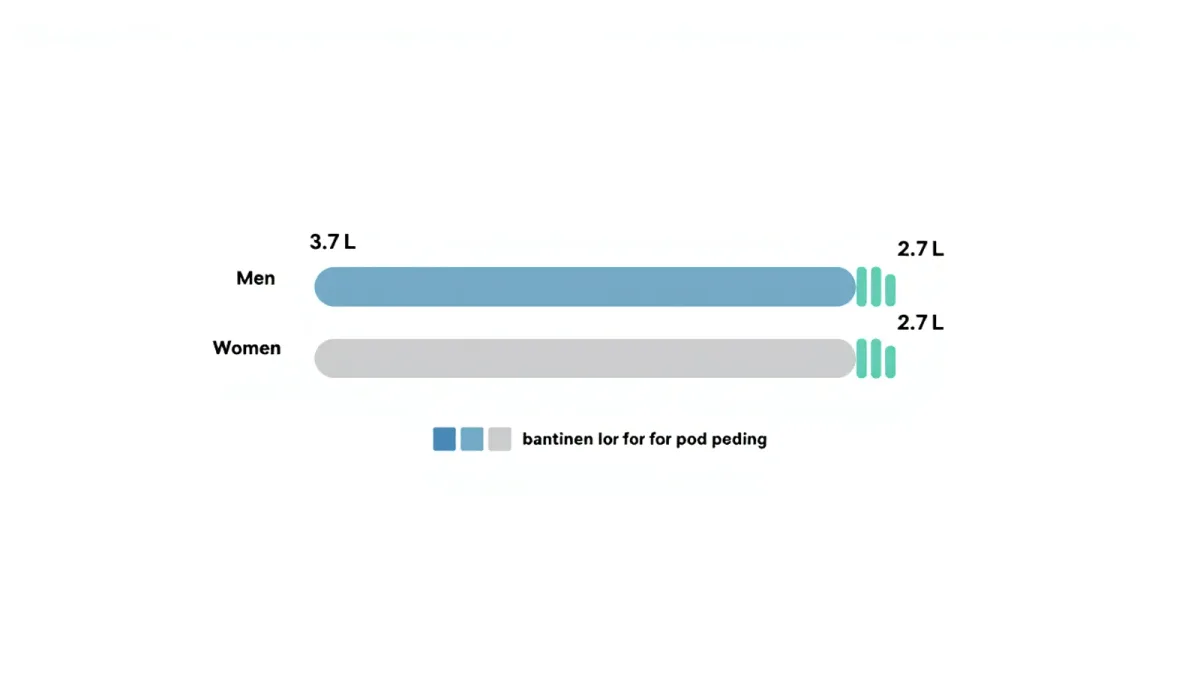
There is no single number of glasses that fits everyone. The National Academies sets the adequate intake for total water at 3.7 liters a day for adult men and 2.7 liters for adult women, counting food as well as drinks, according to ScienceInsights. That works out to roughly 125 and 91 fluid ounces, and about 20 percent of it typically comes from food, not a bottle.
So the old eight-glasses rule lands in the right neighborhood for many people. It is still a guess, because it ignores body size, activity, climate and health status. The better approach is to learn the cues your own body gives you, and to check them against the sourced figures rather than a slogan.
This article is information, not medical advice. For personal decisions about fluid intake, especially with a kidney, heart or electrolyte condition, talk with your own clinician.
Where did the eight-glasses rule come from, and why does it oversimplify?
The rule has no clear scientific origin, and no major health body endorses it as a precise target. What the ScienceInsights overview of hydration does support is a range: national dietary surveys found men aged 19 to 30 drinking about 3.0 liters of fluids daily and women about 2.2 liters, below the formal adequate-intake numbers but in the same general zone. Needs shift with size, activity level, climate and overall health, which a fixed glass count cannot capture. A warehouse worker in July and an office worker in January do not need the same amount of water, and the rule pretends otherwise.
How much water do you actually need?
The most useful benchmark comes from the National Academies, which sets total water intake at 3.7 liters per day for adult men and 2.7 liters for adult women, per the hydration explainer. Those figures cover everything: plain water, other beverages, and the water in food. Fruits and vegetables such as watermelon, strawberries, cantaloupe, lettuce, celery and spinach run 90 to 99 percent water by weight, and nonfat milk counts too.
For a deeper walkthrough of those numbers, see the site's guide on how much water you actually need, per the National Academies. The short version: treat the adequate intake as a ceiling marker for most sedentary days, not a minimum to force past thirst. Readers following this should also see How much water do you actually need, per the National Academies.
The Centers for Disease Control and Prevention adds that daily needs rise when you are in a hot climate, more physically active, running a fever, or having diarrhea or vomiting, according to the CDC's water and healthier drinks guidance. Those four situations are when a fixed daily habit fails people most often.
Is thirst a reliable signal, or is it too late?
Thirst is real physiology, not a myth. Specialized neurons in several brain regions monitor the concentration of your blood, and when it rises they trigger the urge to drink while a hormone tells your kidneys to hold onto water, according to ScienceInsights. The catch is timing: by the time you feel thirsty, you may already be mildly dehydrated.
That is why a second cue helps. Pale, nearly odorless urine in normal amounts generally means you are well hydrated. Dark, strong-smelling urine in small quantities signals a need for more fluid. Neither cue requires an app, a bottle with hour markings, or a supplement sales pitch.
What actually happens when you fall short?
Dehydration is graded by how much body weight you have lost in fluid, and the symptoms climb with it, per the ScienceInsights hydration guide.
- Mild, 1 to 3 percent loss: thirst, dry mouth, mild fatigue. Most people recover by drinking water over the next hour or two.
- Moderate, 4 to 6 percent loss: dizziness, muscle cramps, irritability, and a noticeable drop in cognitive and physical performance.
- Severe, 7 percent or more: confusion, extreme lethargy, very little urine, and in the worst cases shock. This level typically requires medical intervention with intravenous fluids.
The CDC lists the downstream costs of getting enough water wrong as unclear thinking, mood change, overheating, constipation and kidney stones, according to its guidance. None of that requires severe dehydration; it follows from ordinary shortfalls.
Do you need electrolyte drinks, or is plain water enough?
For most days, plain water is enough. The electrolyte question matters when sweat volume is high. Sweat carries out sodium, potassium and chloride along with water, and replacing only the water can dilute blood sodium to dangerous levels, a condition called hyponatremia, according to ScienceInsights. That is the actual reason sports drinks exist, and why salty food can help rehydration after heavy exercise.
What this means in practice: the longer and hotter the session, the more the electrolyte side of the ledger matters. A 30-minute gym session does not create the same replacement problem as a summer shift outdoors, which is why the CDC and the Department of Veterans Affairs publish worker-focused hydration guidance for people laboring in heat, per Nutrition.gov's water and hydration page.
One caution on the drink aisle. Energy drinks are a different category from sports drinks: the CDC notes they may contain large amounts of caffeine and other legal stimulants, with concerns raised especially for young people. For the regulatory detail, see the site's piece on caffeine in energy drinks and what regulators limit. Moderate caffeine, up to 400 mg per day for most adults, can fit a healthy diet, per the CDC.
How do you find your personal number? Practical steps
For exercise, the evidence-based method is to measure, not guess. The general target is to limit body weight loss during a session to less than 2 percent, since losing more impairs performance, according to ScienceInsights. The steps are simple:
- Weigh yourself before exercise, in minimal clothing.
- Weigh yourself after, and add back the volume of any fluid you drank during the session.
- Divide the total loss by the session's duration in hours. That is your approximate sweat rate for those conditions.
Outside of training, the practical checklist is shorter. Use urine color as the daily gauge. Eat water-rich fruits and vegetables, which do a quiet share of the work. Carry a bottle, choose water over sugary drinks, and add lemon or lime if plain water bores you, per the CDC's tips. Swapping a sugary soda for water also removes calories, since water has none, which matters for anyone watching intake alongside the added-sugar limits covered in the site's guide to how much added sugar is too much. We covered a connected angle in How much added sugar is too much, per the Dietary Guidelines and the heart association.
When to talk to a clinician
Some situations need more than a urine-color check. Talk with a clinician before making large changes to fluid intake if you have kidney disease, heart failure, or a condition or medication that affects sodium or fluid balance, because both too little and too much water can be harmful in those cases. Seek medical care for confusion, extreme lethargy, or very little urine output, which the dehydration scale places at the severe end, or for persistent vomiting and diarrhea, where the CDC flags elevated fluid needs. Hyponatremia after long exercise is a medical emergency, not a matter of drinking more water and hoping.
What the evidence establishes, and what it does not
The sourced figures settle the main question: total water needs run around 3.7 liters a day for men and 2.7 for women, food supplies roughly a fifth of that, and needs rise with heat, activity and illness. The eight-glasses rule survives only as a rough approximation. What the evidence does not provide is a precise personal prescription, because sweat rates vary enormously between people and no guideline replaces measuring your own. Consistency beats optimization here, as in most of nutrition: steady fluid, steady meals with water-rich food, and a bottle you actually carry will outperform any perfect schedule you abandon by Thursday.