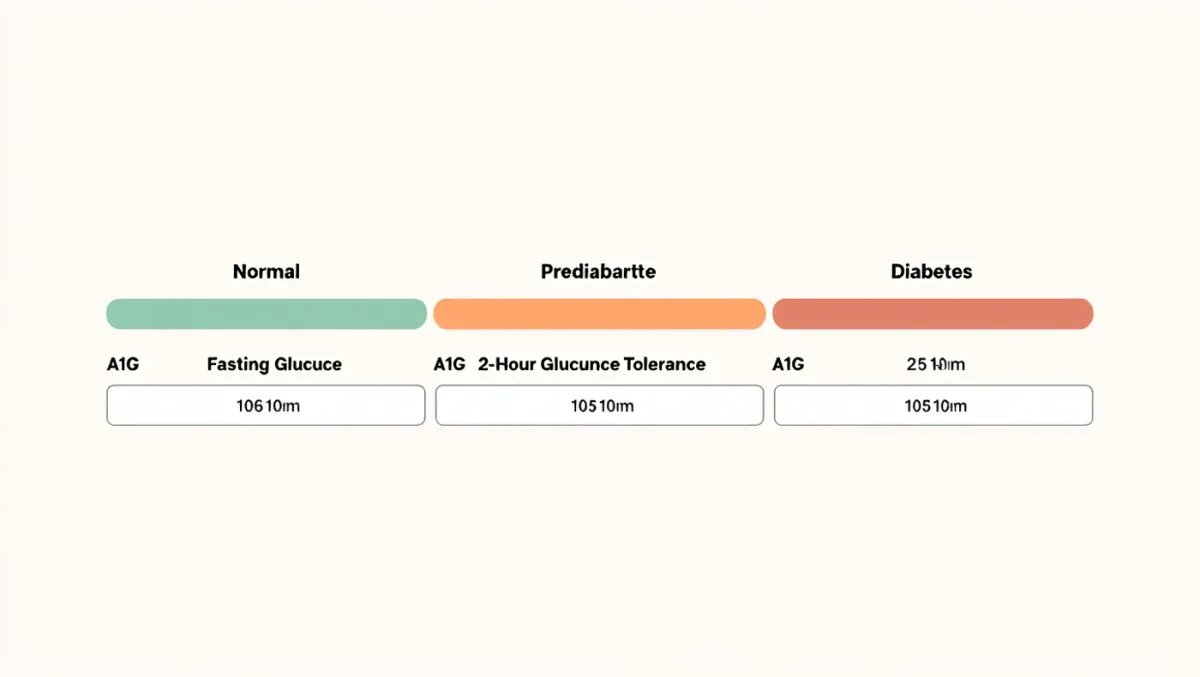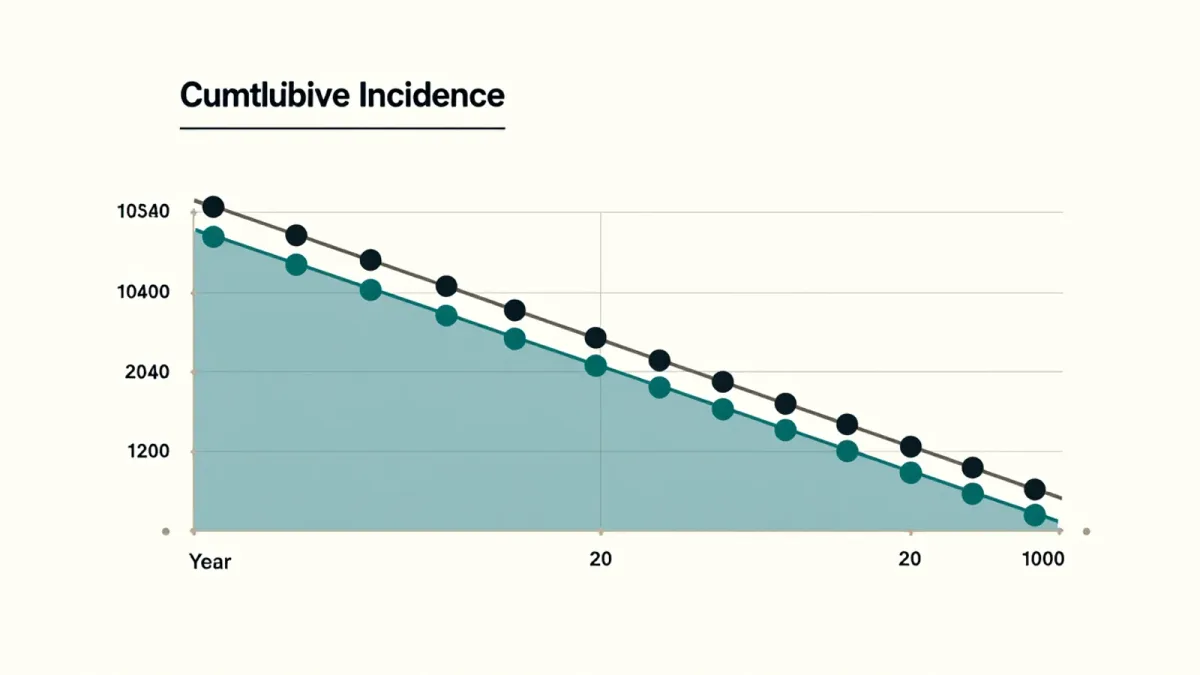

The Diabetes Prevention Program research trial, reported in the New England Journal of Medicine in 2002, reduced the incidence of type 2 diabetes by 58 percent among adults with prediabetes who received an intensive lifestyle intervention, and by 31 percent among those who took metformin, over an average follow-up of 2.8 years. The CDC-recognized National Diabetes Prevention Program now delivers that lifestyle intervention at scale as a structured year-long curriculum with defined participation goals.
The percentages here belong to the named trials and agencies, and they describe average effects in studied groups — not a promised outcome for any individual. People with prediabetes, elevated blood sugar, or a relevant family history should decide with their own clinician whether the program, medication, or both fit their situation.
What did the original trial actually test?
The Diabetes Prevention Program enrolled 3,234 adults with elevated fasting glucose and impaired glucose tolerance — prediabetes by the trial's definitions — and randomized them to an intensive lifestyle program, metformin, or placebo. The lifestyle arm had concrete targets published with the results: at least 7 percent weight loss and at least 150 minutes of moderate activity per week, delivered through a 24-session curriculum in the first six months with individual coaches. The 58 percent reduction in progression to diabetes, against placebo, made the lifestyle arm clearly the stronger of the two interventions; the metformin arm's 31 percent reduction was concentrated in participants with higher baseline weight and younger age.
How durable were the results?
The follow-up study, the Diabetes Prevention Program Outcomes Study, tracked participants for 15 years and reported in 2015 that the lifestyle group's diabetes incidence remained 27 percent below placebo and the metformin group's 18 percent below. The prevention delay was real and long, though the advantage narrowed over time as control-group participants also progressed. This durability gap — a 58 percent reduction at the trial's end, a 27 percent reduction 15 years later — is the honest range to quote.
| Measure | Lifestyle intervention | Metformin |
|---|---|---|
| Diabetes risk reduction, 2002 trial (average 2.8 years) | 58 percent | 31 percent |
| Risk reduction at 15 years, DPPOS 2015 report | 27 percent | 18 percent |
| Core targets | 7 percent weight loss, 150 minutes weekly activity | 850 milligrams twice daily in trial |
What does the CDC-recognized program actually deliver?
The National Diabetes Prevention Program, operated by CDC, translates the trial's lifestyle arm into a standardized curriculum delivered by CDC-recognized organizations: in person, online, or blended. Per the program's participation requirements, it runs for 12 months, beginning with roughly 26 core sessions in the first six months led by a trained lifestyle coach, followed by monthly maintenance sessions. The published benchmarks mirror the trial — 5 to 7 percent weight loss and 150 minutes of physical activity weekly — and organizations must meet CDC's recognition, retention, and outcomes standards to stay listed in the program's registry.
Who qualifies, and what does it cost?
Eligibility, per CDC's criteria, generally means being at least 18 years old, having a body mass index in the overweight range or higher, having a qualifying blood test result or a history of gestational diabetes, and not having a current diagnosis of type 1 or type 2 diabetes. Medicare added the Medicare Diabetes Prevention Program benefit in 2018 for beneficiaries who meet its criteria, and many commercial insurers and Medicaid programs cover the program in some form; coverage varies, and program organizations and insurers confirm individual terms. Cost is therefore not uniform, but the covered pathways exist and are worth asking about by name.
How well does the program work outside the trial?
Real-world results are smaller than the trial's but consistently positive. CDC's own program evaluations and peer-reviewed studies of CDC-recognized organizations report average weight losses in the 4 to 5 percent range at one year, with participants who attended more sessions losing more — preliminary in the sense that such evaluations are observational and self-selected, and the program's own materials present them as organizational performance data rather than as trial-grade evidence. The gap from the trial's 58 percent comes from intensity: the trial's participants had individual coaching and frequent contact that scaled programs approximate but rarely match.
When to talk to a clinician
A prediabetes diagnosis deserves a clinician conversation that covers more than program referral: whether metformin is appropriate, what monitoring interval makes sense, and how other conditions or medications interact with an exercise and weight-loss plan. CDC guidance also flags pregnancy plans, symptoms suggesting diabetes rather than prediabetes — increased thirst, frequent urination, blurred vision — and any cardiorespiratory concerns before starting an activity program as specific moments to involve a clinician first.
The trial's targets — 7 percent weight loss, 150 active minutes a week — are the same numbers printed on the national program's entry page; what varies is how much support a given organization provides for reaching them.