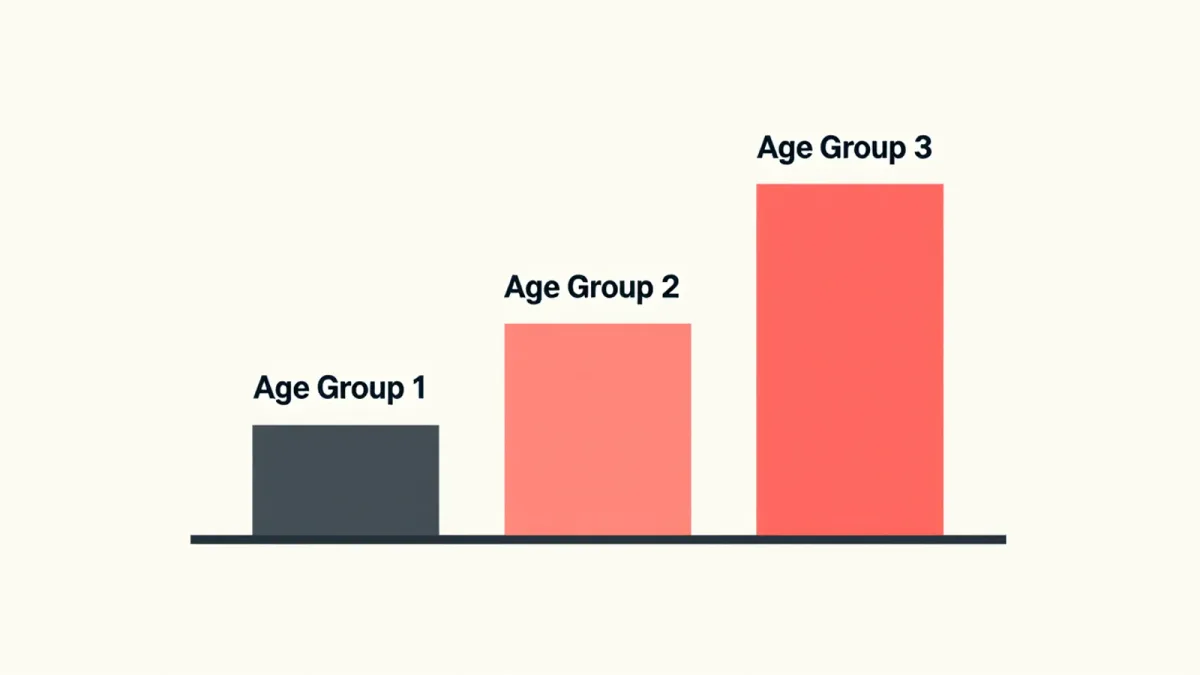

CDC recommends a single dose of RSV vaccine for all adults aged 75 and older and for adults aged 50 to 74 who have risk factors for severe RSV disease, such as chronic heart or lung disease, diabetes, or a weakened immune system. The recommendation is for one dose, not an annual shot, and eligible adults can receive it at any time of year, with late summer or early fall preferred so protection is in place before the respiratory season.
The age bands and risk groups below are the Centers for Disease Control and Prevention's recommendations as published through 2025; ACIP has revised RSV policy repeatedly since the vaccines' 2023 debut, and readers should confirm the current schedule with CDC or their own clinician before deciding. Adults with prior adverse reactions, current moderate or severe illness, or complex conditions should settle timing with that clinician.
Why did the age threshold move from 60 to 50?
The Advisory Committee on Immunization Practices first recommended RSV vaccination for adults 60 and older in 2023, using shared clinical decision-making, then tightened and expanded its policy in 2024: a routine recommendation for everyone 75 and older, and a risk-based recommendation for adults 60 to 74. In 2025, ACIP voted to lower the risk-group floor to 50, widening eligibility for adults 50 to 74 with at least one risk factor, and CDC adopted the change. The committee's stated reasoning at each step weighed the strong age-related rise in RSV hospitalization after 75 against narrower benefit in younger groups, where risk concentrates in people with chronic conditions.
The recommendation in outline
| Group | CDC recommendation, as published through 2025 |
|---|---|
| Adults 75 and older | One dose, routine |
| Adults 50 to 74 with risk factors | One dose, based on risk |
| Adults 50 to 74 without risk factors | Not routinely recommended |
| Adults under 50 | Not recommended outside trials |
| Revaccination | Not established; not an annual vaccine |
Which conditions count as risk factors?
CDC's clinical guidance lists chronic cardiovascular disease, chronic lung or respiratory disease, diabetes mellitus with complications, kidney and liver disorders, neurologic or neuromuscular conditions, hematologic malignancies and other immunocompromising states, and frailty among the risk factors that justify vaccination in the 50-to-74 band. Obesity and current smoking appear on the risk list in the agency's materials. The category is deliberately broader than a single diagnosis list: a clinician's judgment about overall vulnerability — residence in a nursing home, for instance — is part of the stated criteria.
What about infants and pregnant people?
RSV protection for the youngest children runs through separate products. CDC recommends a monoclonal antibody, nirsevimab, for all infants younger than 8 months born during or entering their first RSV season, and for a defined high-risk group of children 8 to 19 months entering their second season. Alternatively, vaccination of the mother protects the infant: CDC recommends a maternal RSV vaccine given at 32 through 36 weeks of pregnancy, seasonally timed, so antibodies transfer before birth. The infant pathways and the adult vaccine are distinct products, and a clinician can explain which applies.
How effective are the RSV vaccines, per the trials?
The two licensed products for older adults — from GSK and Pfizer — showed strong trial results against lower respiratory tract disease: both reported efficacy above 80 percent against confirmed RSV-associated lower respiratory illness in their pivotal trials of older adults, published in the New England Journal of Medicine in 2023, with the sharpest protection in the first season after vaccination and a decline over subsequent seasons in follow-up data. Effectiveness studies in the 2023-24 and 2024-25 US seasons, described in CDC publications, reported substantial protection against RSV hospitalization in vaccinated older adults. What the data do not yet establish is the optimal revaccination interval — hence the one-dose framing.
When should eligible adults get vaccinated?
CDC's timing advice treats RSV vaccination differently from flu shots: because it is a one-time vaccine, eligible adults can receive it in any month, and the agency states that vaccination before the fall — typically August through October in most of the United States — positions protection ahead of the RSV season, which usually peaks in winter. Waiting for a routine annual visit in a different season is not a reason to defer, per the guidance, because a dose received off-season still counts.
When to talk to a clinician
The practical questions belong in a clinical conversation: whether a specific chronic condition qualifies at ages 50 to 74; how prior reactions to vaccines bear on RSV products; and how a recent RSV infection changes timing, since CDC notes vaccination can proceed after recovery but a current moderate or severe acute illness is a reason to defer. Adults 75 and older who have not been vaccinated can raise the vaccine at any routine visit, and anyone uncertain about their prior dose — the vaccines entered practice only in 2023 — can check state immunization registries before getting a second unneeded injection.
The shape of the policy is fixed: one dose, not annual; everyone past 75; and adults 50 to 74 whose conditions put them at higher risk, per CDC guidance as published through 2025.