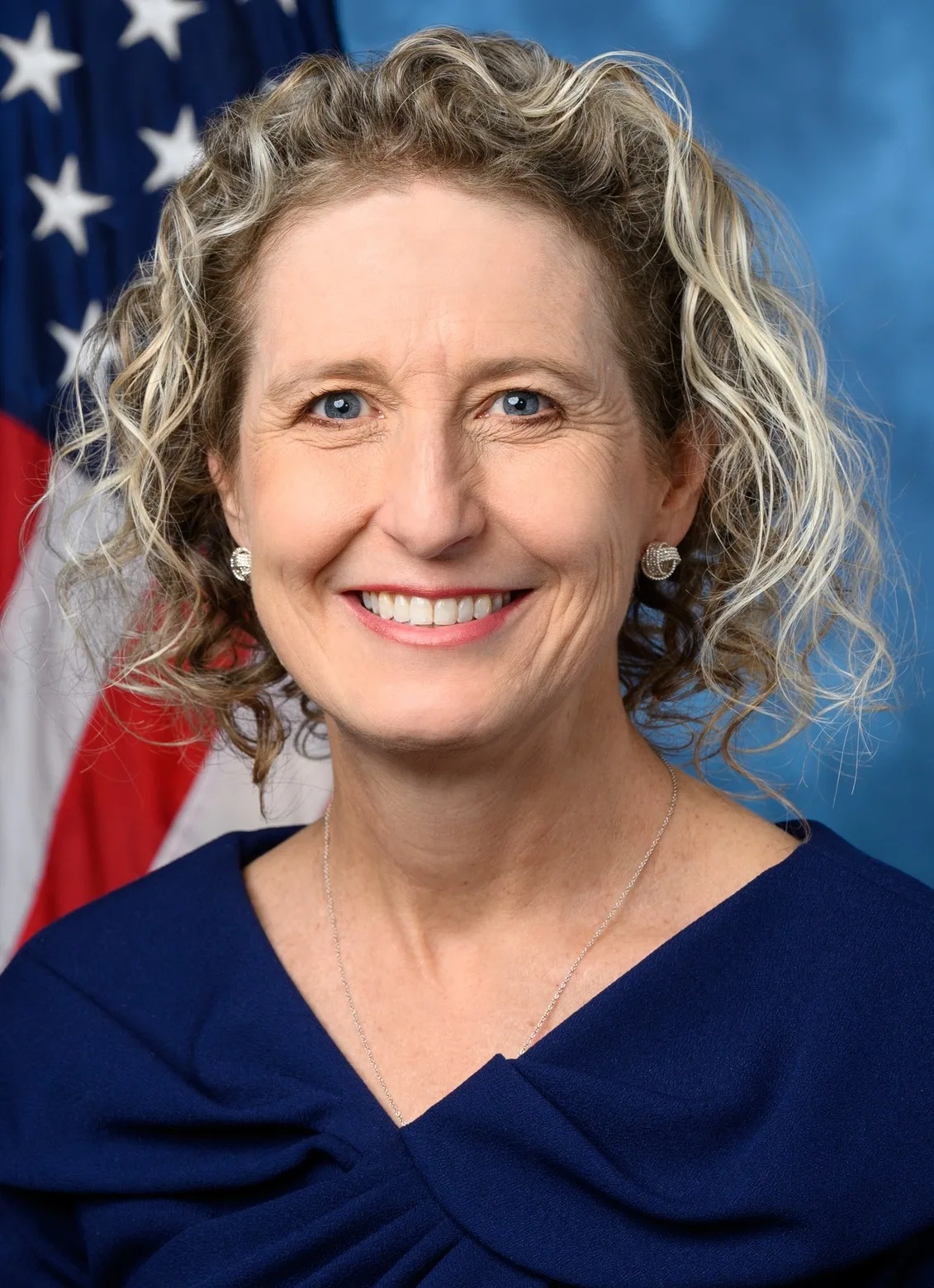
On October 15, 2026, Congresswoman Jen Kiggans (VA-02) brought HHS Secretary Robert F. Kennedy, Jr. to Virginia Beach for a tour of Tidewater Community College's Regional Health Professions Center and a roundtable on the healthcare workforce shortage, according to Kiggans' House office. The visit focused on recruitment, retention and expanding access to care in the region. For readers weighing a healthcare career — or already working in one — the practical question is what programs and pending bills behind that visit can actually be used, and when.
The facility itself is open for business. The Regional Health Professions Center opened in 2012 and offers hands-on training with medical equipment for a range of healthcare jobs, per the press release. If you live in Virginia's Second District and are considering entry into the field, a community-college health program is a concrete, local starting point — and the visit signals federal attention to the pipeline that feeds it.
This piece translates the news into steps: how to evaluate a training program like TCC's, what the three pending nursing bills would change, and what to track if you work as a nurse or preceptor.
What happened at TCC, in plain terms?
Kiggans, a geriatric nurse practitioner and Vice Co-Chair of the Congressional Nursing Caucus, toured the training center with Kennedy and then held a roundtable with local healthcare professionals and industry stakeholders, the release states. The stated purpose: hear about the challenges facing Coastal Virginia's healthcare workforce. "These conversations inform the work I do in Washington every day," Kiggans said in the release.
Read it as a signal, not a program. A congressional tour and roundtable produce attention and, often, legislation — but no new funding, rule or benefit was announced that day. The actionable items are the bills Kiggans has already introduced, described below.
Which bills could change pay or training for nurses?
Three measures are attached to Kiggans' workforce record, all per her office's release. Each is a bill — introduced, not law — so treat them as items to track, not benefits to claim. We covered a connected angle in What a Lipid Panel Actually Measures and When to Get One.
- Title VIII Nursing Workforce Reauthorization Act of 2025. Introduced in May 2025 with Congressional Nursing Caucus colleagues; it would support educational programs nationwide to address the nursing workforce shortage.
- MORE Nurses Act. Introduced in May 2025 with Congressman Jim Acosta (CA-21); it directs the National Advisory Council on Nurse Education to investigate policy solutions and federal programs for the nursing shortage.
- PRECEPT Nurses Act. Introduced in January 2025 as a bipartisan bill; it would establish a $2,000 tax credit for nurses who serve as a clinical preceptor to nursing students.
The PRECEPT proposal is the one with a direct dollar figure. If you already precept students without compensation, that $2,000 credit is the item worth watching — bill status, not a current benefit.
How do you act on this if you want a healthcare job?
A practical sequence, grounded in what the release documents:
- Identify the local training route. TCC's Regional Health Professions Center trains students for "a variety of jobs in the healthcare field," per the release. Contact the school directly for current program offerings, admissions requirements and costs — the release does not list them.
- Ask about hands-on training. The center's stated feature is hands-on experience with medical equipment, which the release frames as preparation for real-world patient care. When comparing programs, ask how much of the curriculum is clinical or simulated practice.
- Track the preceptor credit. If you are a practicing nurse, monitor the PRECEPT Nurses Act's status. If it advances, the $2,000 tax credit for precepting nursing students would be the concrete benefit to claim.
- Watch the workforce bills, not the headlines. The Title VIII reauthorization and the MORE Nurses Act matter for education funding and policy review. Bill status is public; check Congress.gov or the sponsor's page for movement.
What should current healthcare workers take from the roundtable?
The roundtable's function was to collect frontline concerns — retention, resources and staffing pressures among them, per the release. Workers who want their conditions reflected in policy have a documented channel here: Kiggans' office explicitly framed these conversations as informing her work in Washington. For related coverage, see RSV vaccines: who is recommended to get one, per CDC.
One caution from the reporting side: a press release is an interested party's account. The figures and framing above come from Kiggans' own office, and the bills' prospects are not assessed here — no independent projection is available in the supplied material.
What happens next?
The release commits Kiggans to "continuing to work with the Secretary and HHS to identify practical solutions." For readers, the practical next steps are unchanged: contact TCC about training programs, track the three bills if you are a nurse or student, and use congressional constituent channels if staffing or retention conditions need a hearing. None of these steps is career or financial advice; they are the documented, dated actions available from the record of this visit.