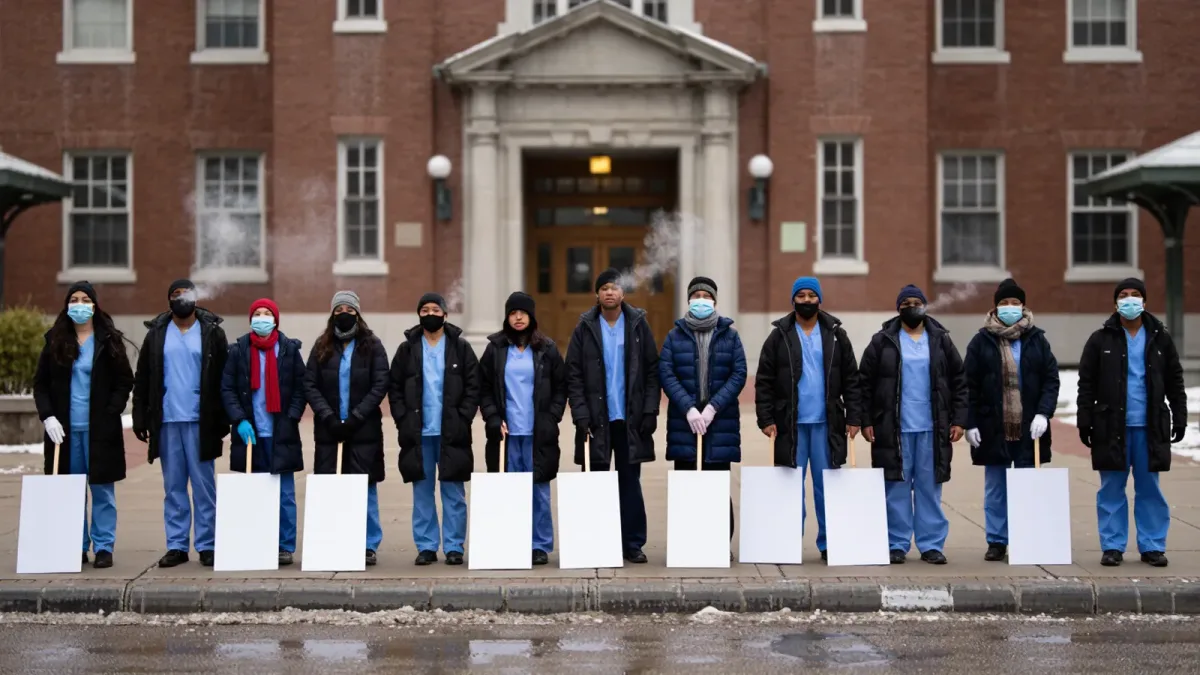
The largest nurses' strike in New York City history ended February 21, 2026, after 41 days, when nurses at NewYork-Presbyterian voted 93% to ratify a new three-year contract, per the New York State Nurses Association. Nearly 15,000 nurses had been on strike since January 12, when negotiations failed to replace contracts that expired December 31, 2025.
HEALTH WORK NY publishes information, not career or medical advice. The figures here come from the union's announcements, employer statements, and wire-service reporting, each attributed as such — a union's count is a union's count.
How the dispute unwound
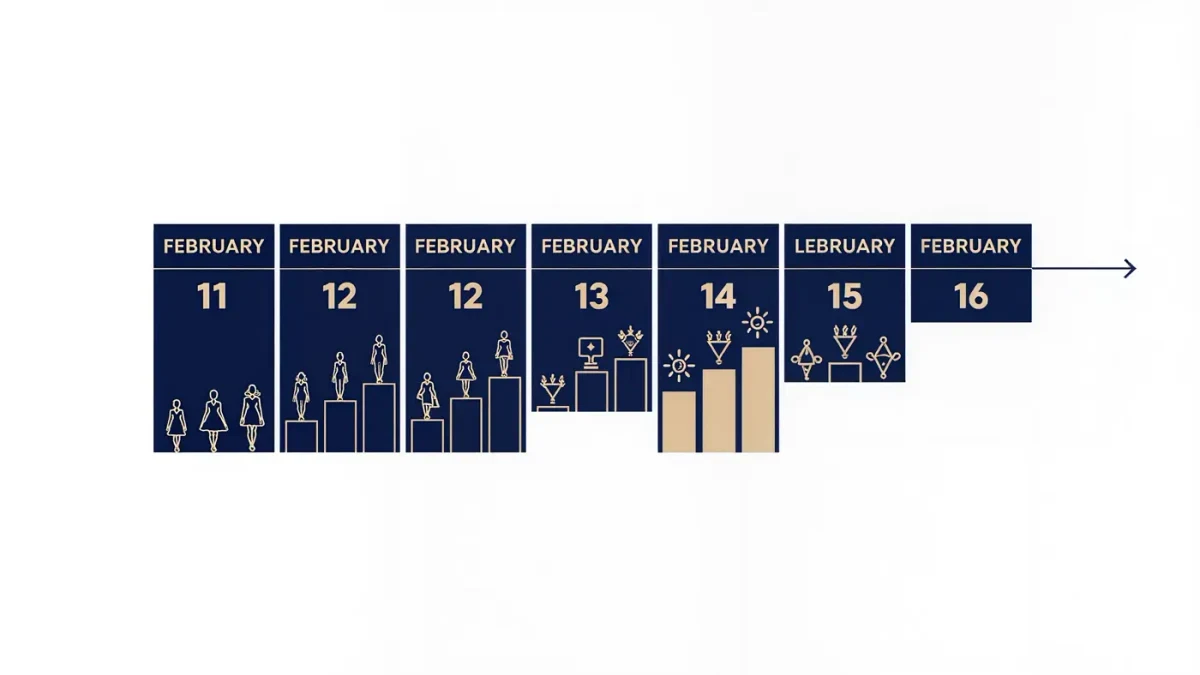
The timeline ran in stages. On January 2, 2026, nurses delivered 10-day strike notices at twelve private-sector hospitals after contracts lapsed; notices at several safety-net hospitals were later rescinded as talks progressed. The strike began January 12. Mount Sinai and Montefiore nurses ratified agreements on February 12, per local reporting, while the NewYork-Presbyterian walkout continued. On February 20, per Reuters, roughly 4,200 NewYork-Presbyterian nurses reached a tentative deal featuring salary increases above 12 percent, and the three-year contract was ratified on February 21 with the 93% yes vote, per the union.
The union says the contract includes safe-staffing commitments and enhanced workplace-violence protections alongside the wage increases — the two non-economic issues that dominated the dispute. The precise staffing ratios and enforcement mechanics run to dozens of pages of contract language that will govern scheduling floors unit by unit.
What it changes for workers
The most direct change is contractual: enforceable staffing language converts what had been a scheduling dispute into a grievance procedure, giving nurses a documented remedy when units fall below agreed floors. Wage increases above 12 percent over three years, per Reuters, reset the pay scale at a moment when travel-nurse rates had fallen from their pandemic peaks — narrowing, though not necessarily closing, the gap that pushed staff nurses toward agency work.
The strike's length also matters as precedent. A 41-day walkout — sustained by nearly 15,000 nurses across multiple hospital systems — is far longer than the two-day January 2023 strike that preceded it, and both sides will read that endurance differently in future negotiations. For hospital workers elsewhere in the state watching the outcome, the demonstrated result is that staffing language and double-digit raises were won by withholding labor for six weeks, at the cost of six weeks' pay — a calculus hospital employees from Buffalo to Long Island will weigh against their own contract calendars.
The context other coverage skipped
The strike landed while New York hospitals were absorbing the financial consequences of the 2025 federal reconciliation law's Medicaid provisions, with hospital associations projecting tens of thousands of jobs at risk statewide. That backdrop explains both sides' hard bargaining: unions pushing to lock in staffing floors before potential revenue declines, and systems resisting recurring cost commitments against the same projections. The contracts ratified in February will be in force through 2028, spanning whatever Medicaid funding trajectory actually materializes — which makes the enforcement provisions, not the wage numbers, the part most likely to define the next three years for the nurses who struck.