

Anime genres can feel like a secret code. Someone tells you a show is "shonen" or "seinen," and you nod along, even if you have no idea what that means. This guide breaks the code for you. We will cover the main anime genres, what makes each one tick, and which shows fit best.
Think of anime genres less like strict rules and more like target audiences. Each genre grew from a specific readership in Japan. Shonen magazines aimed at young boys. Shoujo magazines aimed at young girls. Seinen and josei aimed at adults. Over time, these labels grew into full styles with their own story habits, art choices, and themes.
By the end of this piece, you will know how to spot a genre within the first few minutes of an episode. You will also understand why two shows with robots or swords can feel completely different depending on their genre roots.
Anime Genres 101: Why Age Groups Matter
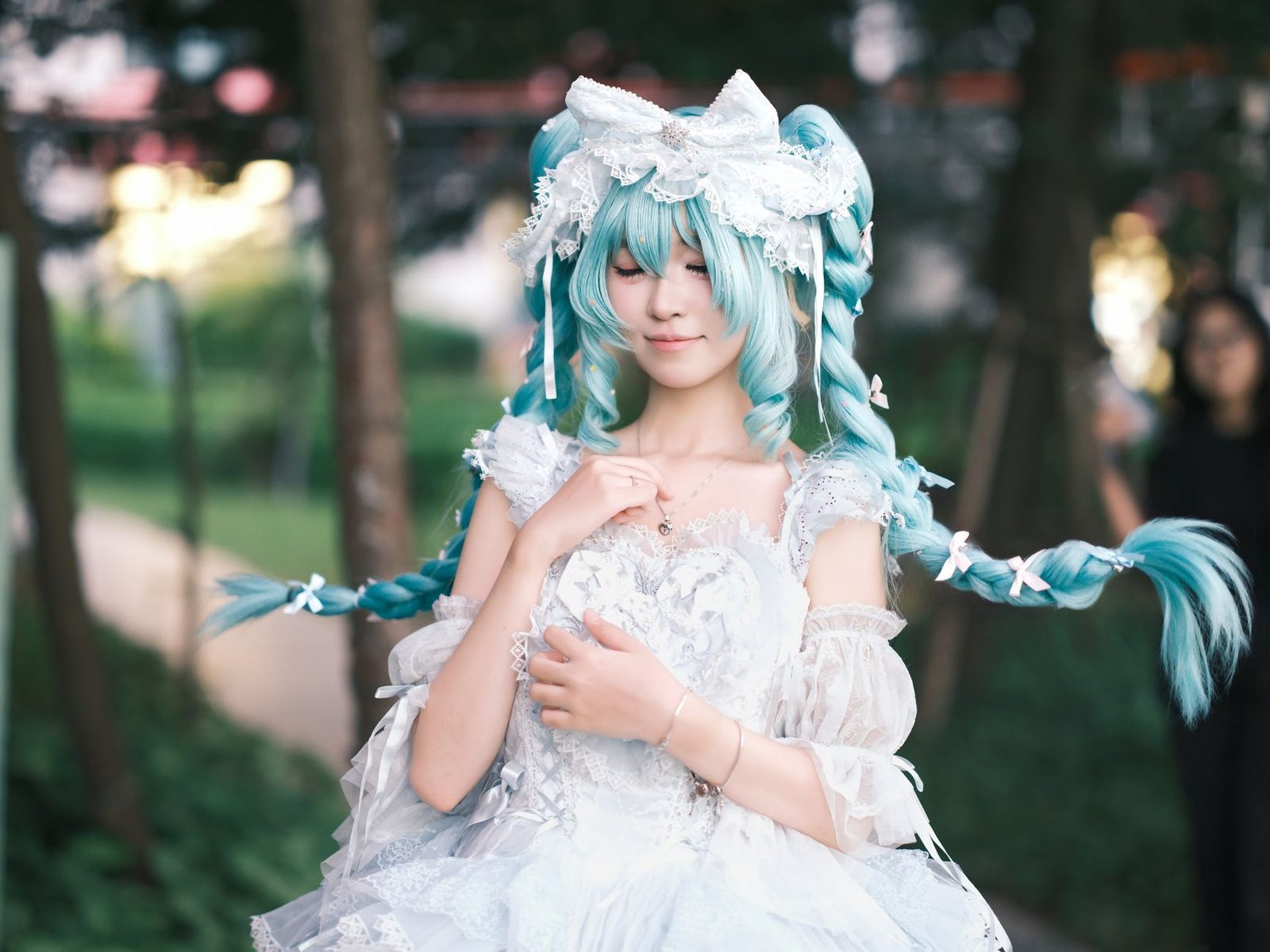
Most anime genres started as a way to sort manga by reader age and gender. This is different from Western genre labels like "comedy" or "horror." Japanese publishers first asked: who is reading this?
That single choice shapes everything else. A show made for teen boys will move fast. It will have clear heroes and villains. A show made for adult women may slow down and dig into feelings and relationships instead.
Knowing this age-and-audience system helps you predict tone before you press play. It also explains why a "shonen" romance and a "shoujo" romance can look nothing alike, even with similar plots.
For a wider view of how animation choices shape mood and pacing across styles, our related piece on animation styles and techniques is a useful companion read.
The Big Four Anime Genres: Shonen, Seinen, Shoujo, and Josei
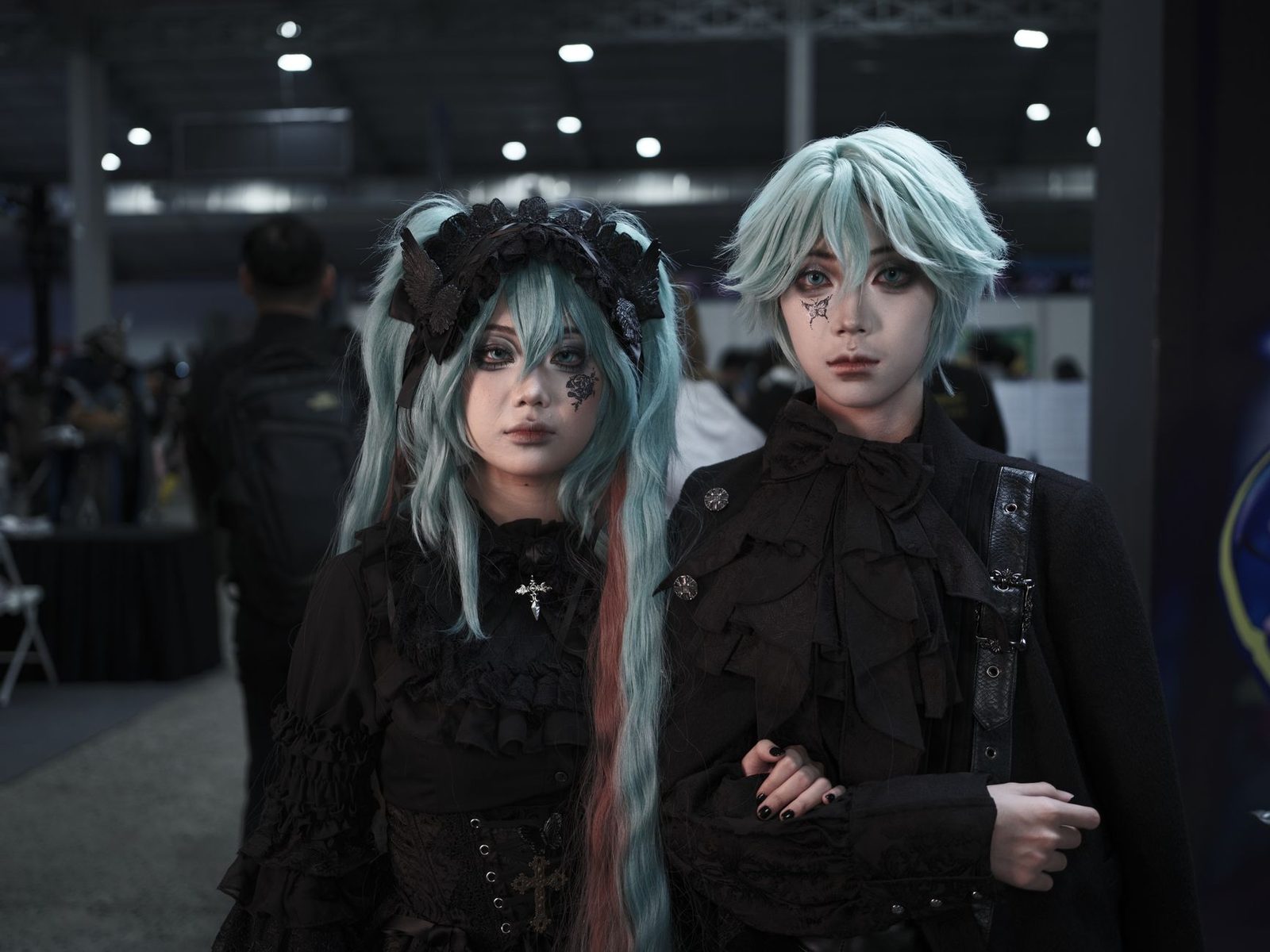
These four terms form the backbone of anime genres. Learn these first, and the rest will click into place fast.
Shonen: Action, Friendship, and Growth
Shonen targets young male readers, usually preteens and teens. These shows lean on action, competition, and personal growth. Heroes train hard, lose fights, and come back stronger.
Expect big power-ups, tournament arcs, and strong messages about friendship and effort. Classic examples include long-running action series with school-age heroes who level up over hundreds of episodes.
Shonen shows often use bright colors and exaggerated expressions. Fights get long, loud, and full of shouted attack names. Critics sometimes call this style repetitive. Fans call it comfort food.
Seinen: Darker, Slower, More Complex
Seinen targets adult men. It trades simple good-versus-evil plots for gray morality and slower pacing.
You will find more violence, more political intrigue, and more psychological drama here. Characters make selfish choices. Endings do not always feel happy.
Seinen art style also shifts. Character designs look more realistic. Backgrounds get more detailed. The overall mood feels heavier, closer to a crime drama than a superhero comic.
Shoujo: Emotion, Relationships, and Style
Shoujo targets young female readers. These stories focus on emotional growth, romance, and personal identity.
Visually, shoujo anime often uses soft colors, sparkly effects, and detailed character designs. Facial expressions matter a lot. A single teary close-up can carry an entire episode.
Plots may center on school life, first love, or personal dreams. Conflict tends to be emotional rather than physical. The stakes feel personal, not world-ending.
Josei: Adult Life, Real Stakes
Josei targets adult women. It shares themes with shoujo but adds the weight of adult life: careers, marriage, and workplace struggle.
Romance in josei feels grounded. Characters deal with rent, office politics, and messy relationships instead of pure fantasy. Pacing is calmer, and payoffs feel earned rather than magical.
If shoujo is first love, josei is what comes after: real relationships with real problems.
Beyond the Big Four: Common Anime Subgenres
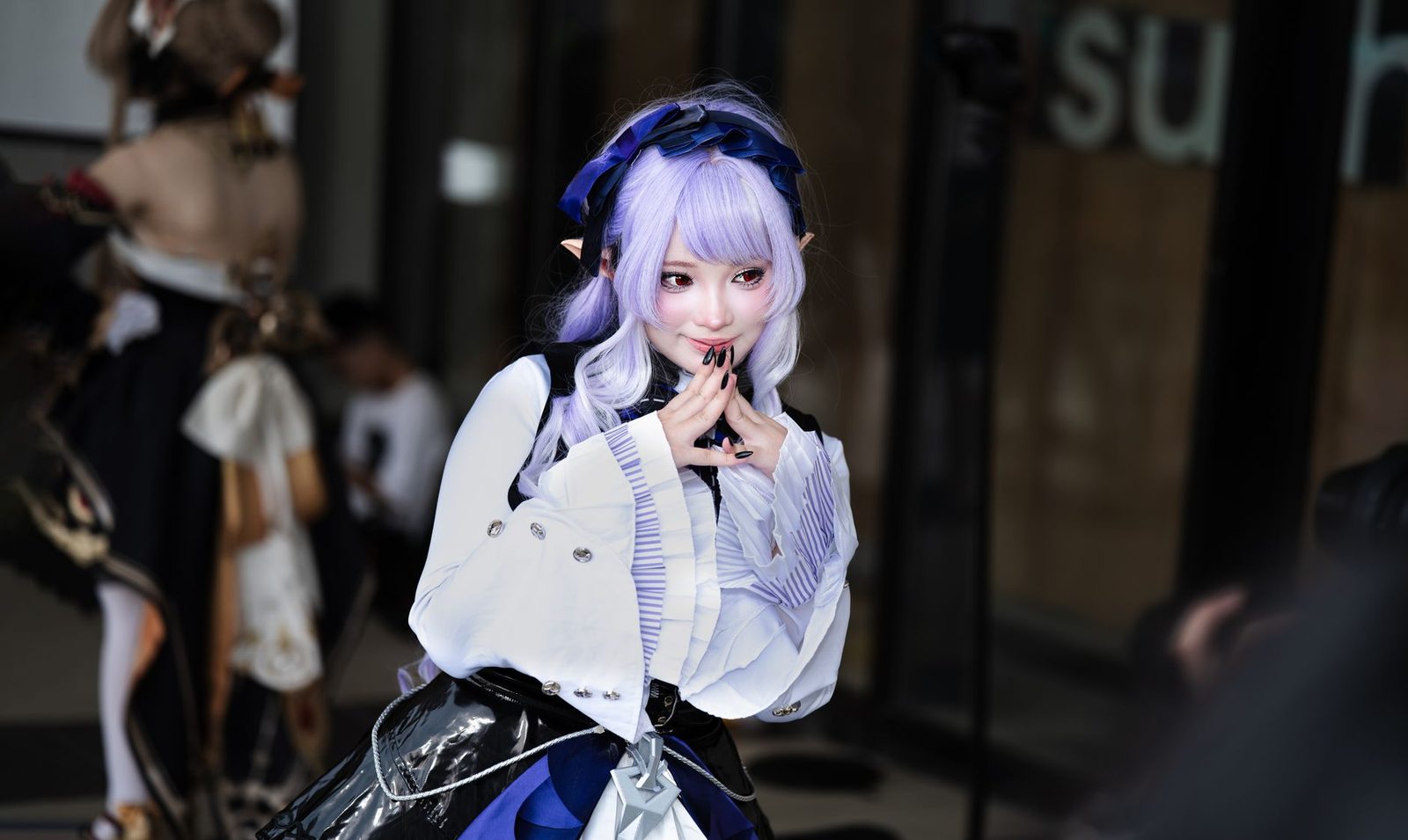
Once you know the four main anime genres, subgenres become easy to spot. These labels usually describe setting, tone, or story style, and often overlap with the main four.
- Isekai: A character gets pulled into another world, often a fantasy realm with game-like rules. Common in shonen, but shows up in seinen too.
- Mecha: Giant robots take center stage. Shonen mecha focuses on heroism. Seinen mecha often explores war's cost.
- Slice of life: Everyday moments replace big plots. Pacing is slow and calm. Common across all four main genres.
- Sports anime: Usually shonen. Focuses on teamwork, training, and big matches.
- Horror and psychological thriller: Common in seinen. Focuses on fear, tension, and unreliable narrators.
- Idol and music anime: Popular in shoujo and josei. Centers on performance, ambition, and friendship.
Subgenres often mix. A show can be shonen isekai, or seinen horror. Once you name both layers, you already know a lot about pacing, tone, and target audience before you watch a single frame.
Practical Steps: How to Identify Anime Genres Yourself
You do not need a chart to spot anime genres once you know what to look for. Use these quick checks.
- Look at the character designs. Bright, exaggerated features often signal shonen or shoujo. Realistic, muted designs often signal seinen or josei.
- Check the pacing. Fast, punchy scenes suggest shonen. Slow, dialogue-heavy scenes suggest seinen or josei.
- Notice the conflict type. Physical battles point to shonen or seinen action. Emotional or social conflict points to shoujo or josei.
- Read the synopsis carefully. Words like "tournament," "power," or "training" hint at shonen. Words like "workplace," "marriage," or "adult" hint at josei.
- Check the source magazine, if listed. Many databases label whether a manga first ran in a shonen, seinen, shoujo, or josei magazine. This is often the most reliable clue.
For deeper research on Japanese media categories and cultural context, the Library of Congress keeps archived resources on Japanese publishing history that can add useful background.
Our analysis suggests genre labels work best as expectations, not promises. A "shonen" show can still handle grief seriously. A "seinen" show can still have moments of humor. Use these labels as a starting map, not a locked cage.
What This Means for New Anime Fans
If you are new to anime, genre knowledge saves you time. It helps you pick shows that match your mood instead of picking blind.
Want fast action and clear heroes? Start with shonen. Want emotional depth and mature themes? Try seinen. Want romance with sparkle and heart? Shoujo is your entry point. Want grounded adult drama? Josei delivers that.
Genres also help you talk about anime with more confidence. When a friend says a show is "seinen," you will already expect slower pacing and heavier themes. That context changes how you watch, and often how much you enjoy it.
Anime genres are not rigid boxes. They are more like weather forecasts. They tell you what to expect, not exactly what will happen. Once you learn to read them, every anime description becomes far more useful.
Key Takeaways
Anime genres give you a map, not a rulebook. Learn the big four—shonen, seinen, shoujo, and josei—and you will understand tone, pacing, and audience before you press play. Add subgenres like isekai, mecha, or slice of life, and you can predict a show's style with real accuracy. Use these labels as helpful guides, stay curious, and let your own taste lead the way.
For more context, read Complete Guide to Building a Sustainable Wellness Routine.
For more context, read makeup coverage.
For more context, read Health Insurance Basics: Coverage Types and How to Choose.